Table of Contents
A useful quotation request describes the task, site, destination and proposed configuration before asking for a price. Suppliers can then identify missing information and quote comparable packages. Keep commercial assumptions visible so that freight, attachments, documentation and commissioning do not disappear between headline prices.
This guide to how to request a quote for compact machinery focuses on prepare an rfq that produces comparable offers. It turns the enquiry into a set of requirements a buyer, site team and supplier can compare before an order is placed.
How to request a quote for compact machinery: define the requirements
Use a structured equipment schedule and send the same version to every supplier. Include the application, destination, machine configuration, attachments, quantity, delivery scope and documents expected at handover. Ask suppliers to identify deviations and exclusions explicitly. A side-by-side comparison should reconcile those differences before ranking prices. Keep unanswered technical questions separate from commercial negotiations so that a discount does not conceal an unsuitable configuration. When the preferred offer is selected, turn the agreed schedule into the order reference. This reduces the chance that a later packing list or inspection report describes equipment different from the package the buyer intended to purchase.
For this how to request a quote for compact machinery assessment, keep three constraints visible: configuration detail, delivery scope and acceptance documents. Record what is known, what needs measurement and who will confirm each point. Resolve a physical or application mismatch before comparing optional features.
Build a measurable comparison brief
| Decision area | Application-specific priority | Evidence to request |
|---|---|---|
| Primary requirement | configuration detail | Record the actual condition and supporting measurement or document. |
| Working interface | delivery scope | Check the complete task, including adjacent people, equipment and materials. |
| Delivery or support condition | acceptance documents | Confirm the requirement against the exact quoted configuration. |
Use the brief as a shared reference for how to request a quote for compact machinery. A requirement should describe the result or constraint, while a proposed solution should explain how it meets that requirement. Keeping these separate lets suppliers recommend a different configuration without silently changing the job. Mark a requirement as unresolved when the evidence is missing; a blank specification field is not proof that the requirement does not matter.
Read the configured specification correctly
Define the machine package with enough precision that sales, production, inspection and the buyer are discussing the same equipment. Model identification alone can leave engine, attachments, controls and optional equipment unclear. Use a configuration schedule with a clear revision date, and have each party acknowledge changes before they affect production.
Separate technical facts from commercial terms. A product page can help identify a candidate, while the approved order should state what is supplied and how it is accepted. Likewise, a machine's appearance in a photograph does not establish its certification, destination-market suitability or included accessories. Request the relevant supporting documents for the exact configuration.
Compare suitable options on the same basis
| Option | Where it may fit | What must be confirmed |
|---|---|---|
| Standard configured order | A package matching established requirements | Verify exact equipment and included documents |
| Customised order | A defined need beyond the standard package | Agree approvals, change control and support implications |
| Phased or trial order | A way to assess a new supplier or application | Define acceptance evidence before increasing quantity |
The options above are a comparison framework for how to request a quote for compact machinery, not a ranking of machines without a site assessment. Reject options that fail a required constraint before comparing price or convenience. For the remaining choices, use the same material, route, operating scope and completion standard. Otherwise a favourable result may come from an easier test rather than a more suitable package.
Use LUTOS product and service evidence
LUTOS describes OEM customisation, pre-shipment checks, protective packing, export delivery coordination and after-sales support on its About Us page. Its FAQ page also discusses factory supply and order enquiries. Use these published statements to start the discussion, then obtain the actual scope in the quotation.
| Product family | Published product count | Category link |
|---|---|---|
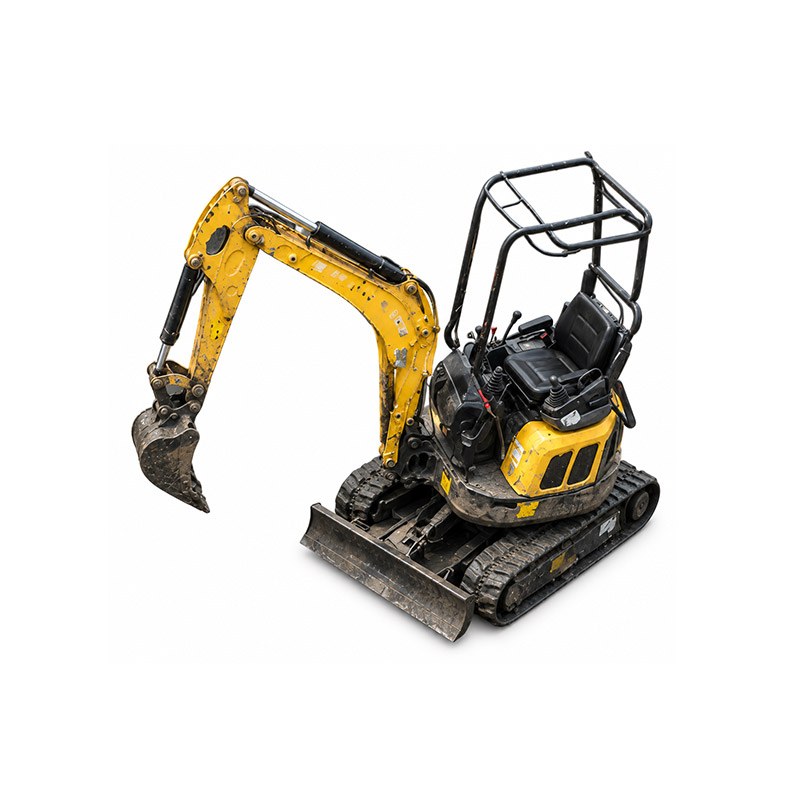
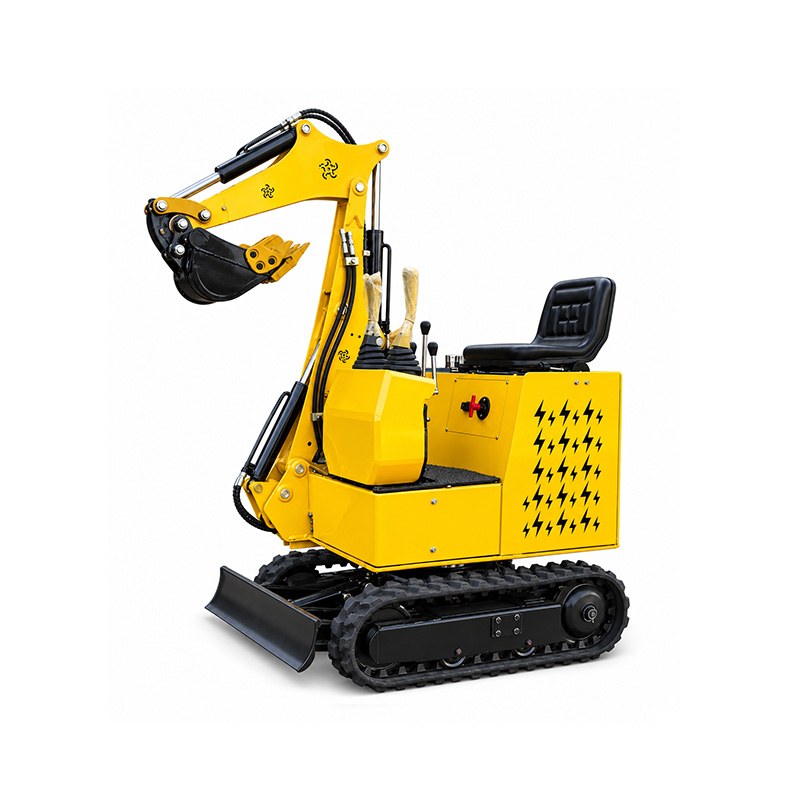
| Mini Excavators | 18 | View published range |
| Rough Terrain Forklifts | 10 | View published range |
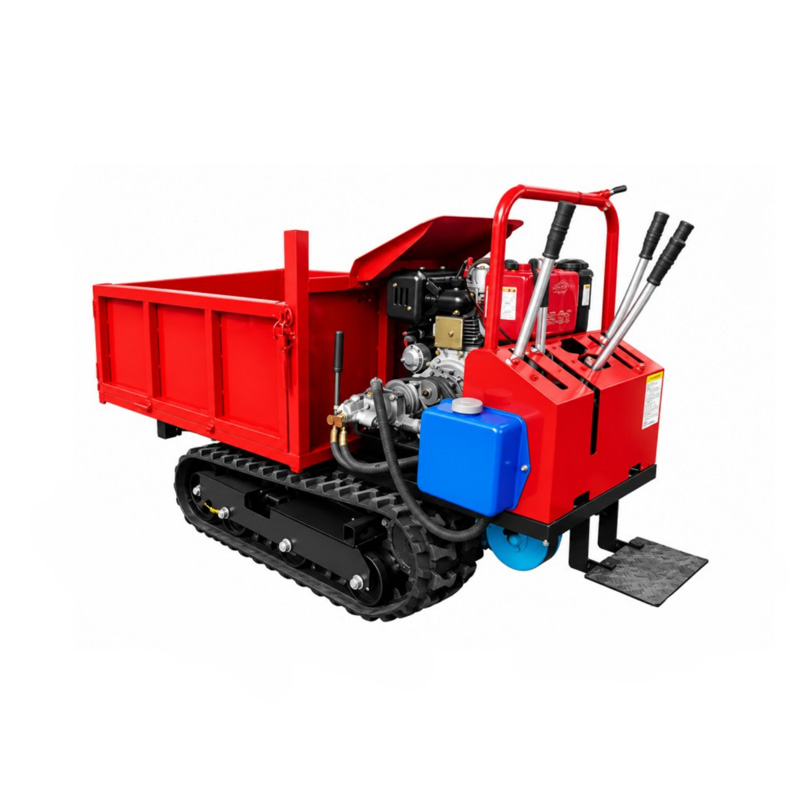
| Mini Dumper | 8 | View published range |
| Wheel Loader | 17 | View published range |
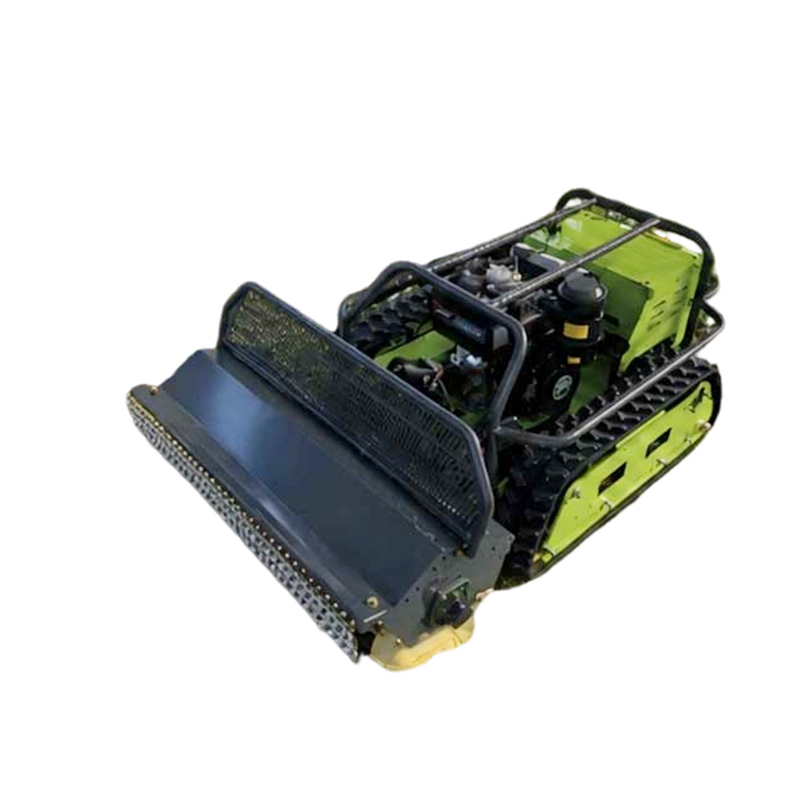
| Lawn Mower | 12 | View published range |
For how to request a quote for compact machinery, the commercial record should identify which machine family and configuration the service concerns. A service statement for the company does not automatically define a warranty period, a delivery deadline, a market approval or the availability of a particular spare part. Confirm those details for the actual order and retain the agreed documents.
Review the complete working sequence
Map the purchase from the first enquiry through configuration approval, production, inspection, packing, shipment and handover. Identify the information needed at each stage and the person responsible for supplying it. This reveals dependencies early, such as a packing decision that requires the final attachment list or a service plan that requires exact component identification.
Use a single current equipment schedule when comparing offers or coordinating with a freight provider. Keep earlier revisions for traceability but make the approved version obvious. When a supplier proposes a substitution, ask what changes in performance, documentation, spare parts and delivery before deciding whether the substitution is acceptable.
For additional background on machinery selection and handover, consult HSE introduction to machinery safety. Use this reference alongside the selected machine’s documentation and the requirements applicable to the project location.
Agree a practical trial and record its limits
Proposed acceptance check: Send the same structured brief to each supplier and reconcile every difference before comparing totals.
For how to request a quote for compact machinery, agree the test scope before the demonstration. Identify the machine or package, the configuration and the conditions used. Ask the responsible team to approve the method and keep the work within the manufacturer’s documented limits. A demonstration should gather evidence for a defined requirement; it should not be used to explore an unassessed operating limit.
Common buying error: Comparing a bare machine price with a package that includes attachments and delivery support. Make this an explicit review question before accepting the quotation. A supplier response should address the actual constraint rather than repeat a general product advantage.
Compare cost with consistent workload assumptions
A commercial comparison needs a consistent scope. Separate the machine, attachments, spares, packing, freight-related items, inspection and any service included in the offer. State the destination and delivery basis used for the comparison. Taxes and other destination costs require current, market-specific confirmation rather than a universal percentage added to every quotation.
Keep cash commitments and operating assumptions distinct. A supplier's price and payment terms are quoted inputs, while expected utilisation, downtime and future resale are assumptions unless supported by separate evidence. Do not turn an optimistic utilisation estimate into a guaranteed return. Compare the package under more than one plausible workload when demand is uncertain.
Prepare maintenance, parts and handover support
Define support before the equipment is far from the supplier. The buyer needs a way to identify the machine, explain a fault and obtain the correct part or service instruction. Agree the communication route and the information required for a support request. This is particularly useful when the local operator, importer and factory speak through different contacts.
Ask for the documentation supplied at handover and confirm that it matches the final configuration. A general brochure is different from an operator manual, a parts reference or a specific inspection record. Keep these documents accessible to the people responsible for operating and maintaining the equipment.
Prepare the quotation request
A useful enquiry about how to request a quote for compact machinery gives LUTOS enough information to identify a suitable configuration and any open questions. Include the intended application, destination, machine and attachment requirements, expected order quantity, delivery scope, document requirements and acceptance process. Ask the supplier to identify assumptions and exclusions as clearly as the quoted price.
Attach the application notes for configuration detail, delivery scope and acceptance documents. Ask the supplier to distinguish confirmed inclusions from optional items and exclusions. Keep price, delivery basis, documentation and acceptance responsibilities in the same offer so that the final order describes the complete package.
Send the brief through the form below or the LUTOS contact page. Include photographs or drawings when they clarify the task, and request written confirmation of the proposed configuration before deciding. The next step is a specific equipment discussion grounded in your job requirements.
Frequently Asked Questions
What information should I provide about how to request a quote for compact machinery?
Include the intended application, destination, machine and attachment requirements, expected order quantity, delivery scope, document requirements and acceptance process. Ask the supplier to identify assumptions and exclusions as clearly as the quoted price. For this enquiry, emphasise configuration detail, delivery scope, acceptance documents.
Which constraint should I check first?
Start with configuration detail and establish the actual requirement before choosing a configuration. Then review delivery scope and acceptance documents. If an option cannot meet a required condition, resolve that mismatch before comparing price.
How should I verify a supplier recommendation?
Send the same structured brief to each supplier and reconcile every difference before comparing totals. Identify the exact configuration and record the conditions. Keep unsupported claims separate from demonstrated results, and ask the supplier to resolve any difference between the product page and the quotation.
What is a common mistake in this buying decision?
Comparing a bare machine price with a package that includes attachments and delivery support. Use the comparison brief to keep the intended task visible. A strong proposal explains the selected configuration, its limitations and the evidence supporting it.
How can LUTOS help with this enquiry?
Send the application, destination, intended quantity and the requirements described in this how to request a quote for compact machinery guide. LUTOS can review the enquiry and discuss an available configuration. Confirm specifications, included services, commercial terms and delivery details in the written offer.