Table of Contents
A landscape project often needs repeated short trips between a street-side delivery point and a work area. A dumper can support that route when loading and unloading are organised. Choose payload and dimensions from the actual material and access, then compare the complete cycle rather than travel speed alone.
This guide to mini dumper for landscaping focuses on plan landscape material movement. It turns the enquiry into a set of requirements a buyer, site team and supplier can compare before an order is placed.
Mini dumper for landscaping: define the requirements
Lay out the material route before selecting payload. A garden project may involve a short distance but difficult transitions between street delivery, gate access and the work face. Determine how the carrier is loaded and whether the discharge point is ready when it arrives. If the crew must stop other work for each load, that labour belongs in the comparison. Consider the restoration needed on finished surfaces and the sequence of new landscaping work. The useful carrier size is the one that fits the whole route and material flow, rather than the largest body offered in the product range.
For this mini dumper for landscaping assessment, keep three constraints visible: gate clearances, unloading area and finished surface protection. Record what is known, what needs measurement and who will confirm each point. Resolve a physical or application mismatch before comparing optional features.
Build a measurable comparison brief
| Decision area | Application-specific priority | Evidence to request |
|---|---|---|
| Primary requirement | gate clearances | Record the actual condition and supporting measurement or document. |
| Working interface | unloading area | Check the complete task, including adjacent people, equipment and materials. |
| Delivery or support condition | finished surface protection | Confirm the requirement against the exact quoted configuration. |
Use the brief as a shared reference for mini dumper for landscaping. A requirement should describe the result or constraint, while a proposed solution should explain how it meets that requirement. Keeping these separate lets suppliers recommend a different configuration without silently changing the job. Mark a requirement as unresolved when the evidence is missing; a blank specification field is not proof that the requirement does not matter.
Read the configured specification correctly
Keep payload, body volume and machine weight separate. Payload describes the permitted carried load under the manufacturer's stated conditions. Body volume describes available space. Machine weight is needed for transport and other planning. Dense material may reach the payload limit long before it fills the body, so a visual estimate is not a reliable universal loading rule.
Obtain the body dimensions and the exact discharge arrangement. A machine that reaches the destination may still be unsuitable if the receiving point is too high, too confined or incompatible with the tipping configuration. Do not infer high-tip, swivel or another discharge feature from the general description of a dumper. Confirm each requested feature on the quotation.
Compare suitable options on the same basis
| Option | Where it may fit | What must be confirmed |
|---|---|---|
| Tracked carrier | A possible fit for an assessed route and approved load | Confirm ground suitability, turning and track support |
| Wheeled carrier | A possible fit for suitable maintained routes | Compare access, traction and discharge requirements |
| Manual or alternative transport | May suit small or infrequent material movements | Include labour, loading and the complete travel route |
The options above are a comparison framework for mini dumper for landscaping, not a ranking of machines without a site assessment. Reject options that fail a required constraint before comparing price or convenience. For the remaining choices, use the same material, route, operating scope and completion standard. Otherwise a favourable result may come from an easier test rather than a more suitable package.
Use LUTOS product and service evidence
The following LUTOS product pages provide starting points within the relevant category. These are reference models for discussion, not confirmed recommendations for every requirement in this mini dumper for landscaping guide. The entries below reproduce selected published parameter labels and values. Obtain a current configuration sheet before ordering; catalogue labels and model names should not be used to fill missing specifications.
| Published LUTOS product | Selected published parameters | Buying action |
|---|---|---|
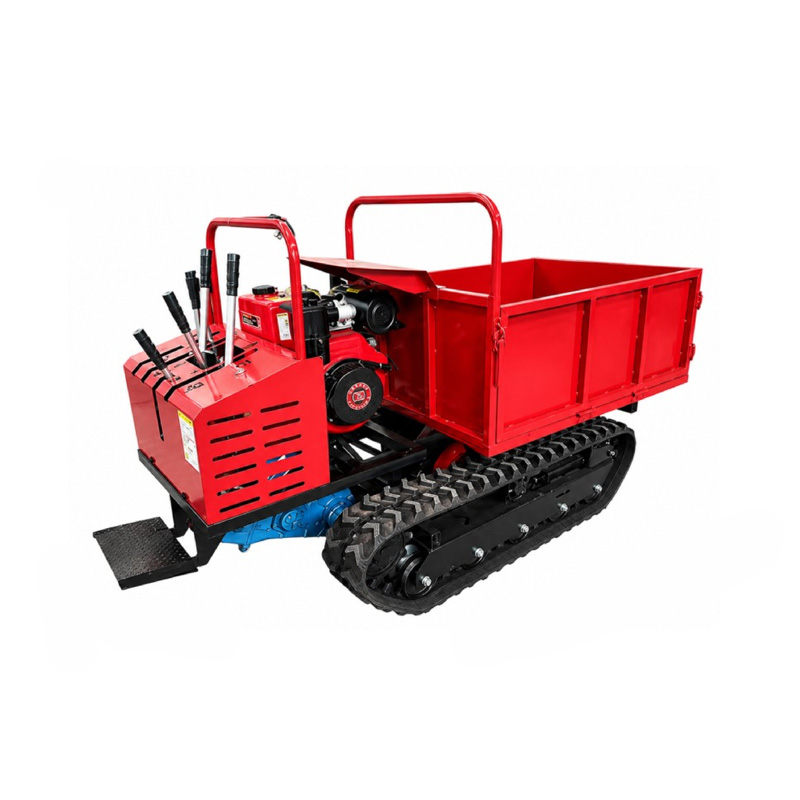
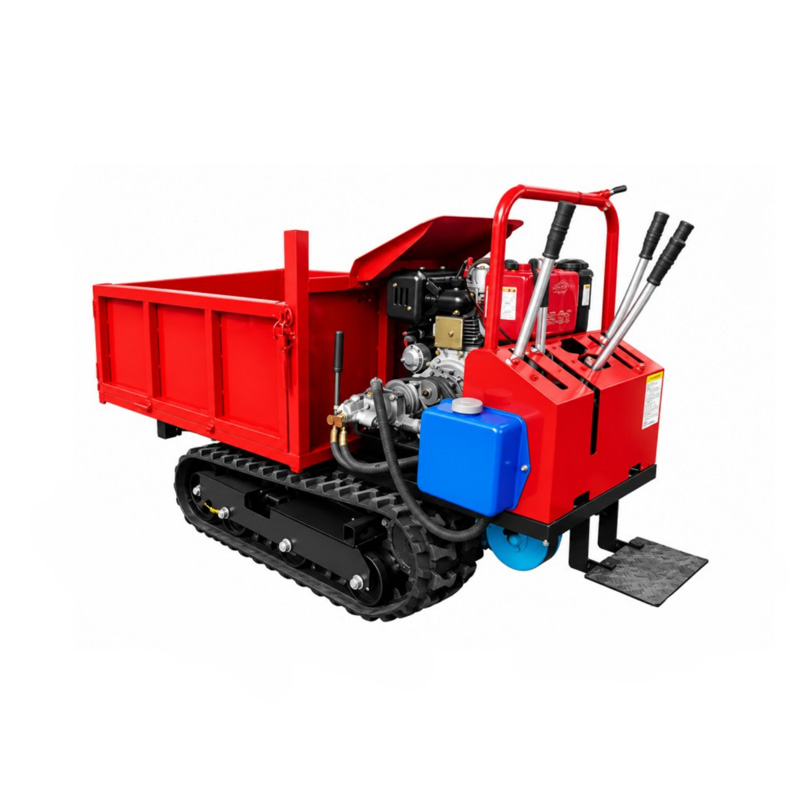
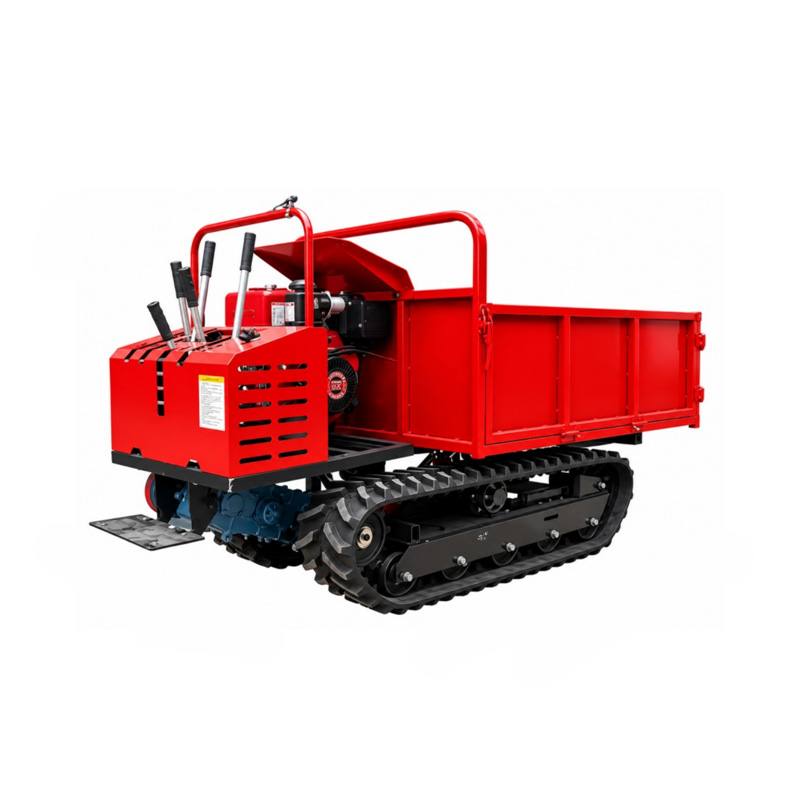
| 650kg Tracked Dumper LT-MD650 | Model: LT-MD650 Overall Dimensions (L×W×H): 1.8*0.75*1.2M Cargo Bed Dimensions: 1.20*0.75*0.45M Chassis Width / Undercarriage Width: 700MM Engine Brand & Model: 190FA (Changchai / Yuchai) Transmission Material & Model: 13HP | Confirm suitability, included options and current specification with LUTOS. |
| 1.2 Ton Tracked Dumper LT-MD1200 | Model: LT-MD1200 Overall Dimensions (L×W×H): 2.3*1*1.3M Cargo Bed Dimensions: 1.35*1*0.5M Chassis Width / Undercarriage Width: 840MM Engine Brand & Model: 190FA (Changchai / Yuchai) Transmission Material & Model: 15HP/18HP | Confirm suitability, included options and current specification with LUTOS. |
Use the full mini dumper range to broaden the shortlist if the reference models do not match the brief. Where a title, parameter table or quotation appears inconsistent, ask LUTOS to reconcile the figures in writing. Do not quietly substitute a value from another model.
Review the complete working sequence
A dumper works as part of a material-flow system. Someone or another machine must load it, the route must remain available, and the receiving point must accept the material. Begin with those interfaces before comparing travel speeds. An oversized carrier can wait for a slow loading method, while a small carrier can leave an excavator waiting during every return trip.
Break a cycle into loading, loaded travel, discharge, empty return and waiting. Measure representative cycles rather than one unusually favourable trip. Note whether loading is limited by bucket size, manual labour or a restricted working position. Record discharge and cleanup time as part of the job if the material needs further handling after tipping.
For additional background on dumper selection and site planning, consult HSE guidance on site dumpers. Use this reference alongside the selected machine’s documentation and the requirements applicable to the project location.
Agree a practical trial and record its limits
Proposed acceptance check: Measure one route including loading, travel, discharge and the empty return.
For mini dumper for landscaping, agree the test scope before the demonstration. Identify the machine or package, the configuration and the conditions used. Ask the responsible team to approve the method and keep the work within the manufacturer’s documented limits. A demonstration should gather evidence for a defined requirement; it should not be used to explore an unassessed operating limit.
Common buying error: Buying a larger payload that cannot be used because access or loading equipment limits each trip. Make this an explicit review question before accepting the quotation. A supplier response should address the actual constraint rather than repeat a general product advantage.
Compare cost with consistent workload assumptions
Estimate dumper cost per useful trip or completed material movement, using the same loading and discharge scope for every option. Fuel, wear, service, transport and labour remain relevant even when the carrier reduces manual carrying. Keep the cost of the loading equipment visible, especially when comparing a dumper with a machine that can load its own bucket.
Use representative material and route assumptions. A larger payload may reduce the number of trips, but only if the approved load, loading equipment and access allow that payload to be used. If a larger machine requires different transport or additional route preparation, include those costs rather than treating them as unrelated site expenditure.
Prepare maintenance, parts and handover support
The maintenance plan should match the exact carrier, engine, track system and tipping arrangement. Obtain the manufacturer's instructions for inspection, servicing and storage. Operator observations can reveal a change in condition, but repairs to hydraulic or mechanical systems need the appropriate skills and approved procedure.
Discuss access to routine service points and the identification of wear parts before purchase. A clear serial-based parts process is more useful than a general assurance that components can be supplied. Ask for representative consumable quotations and clarify the information needed to order the correct part.
Prepare the quotation request
A useful enquiry about mini dumper for landscaping gives LUTOS enough information to identify a suitable configuration and any open questions. Include material type and expected density, amount moved, route dimensions and condition, loading method, discharge point, transport arrangements and destination. Request confirmed payload, body dimensions, tipping configuration and maintenance documentation.
Attach the application notes for gate clearances, unloading area and finished surface protection. Ask the supplier to distinguish confirmed inclusions from optional items and exclusions. Keep price, delivery basis, documentation and acceptance responsibilities in the same offer so that the final order describes the complete package.
Send the brief through the form below or the LUTOS contact page. Include photographs or drawings when they clarify the task, and request written confirmation of the proposed configuration before deciding. The next step is a specific equipment discussion grounded in your job requirements.
Further reading: HSE construction safety topics. This external guidance provides background context; the selected machine’s instructions and the responsible site team define the applicable working method.
Frequently Asked Questions
What information should I provide about mini dumper for landscaping?
Include material type and expected density, amount moved, route dimensions and condition, loading method, discharge point, transport arrangements and destination. Request confirmed payload, body dimensions, tipping configuration and maintenance documentation. For this enquiry, emphasise gate clearances, unloading area, finished surface protection.
Which constraint should I check first?
Start with gate clearances and establish the actual requirement before choosing a configuration. Then review unloading area and finished surface protection. If an option cannot meet a required condition, resolve that mismatch before comparing price.
How should I verify a supplier recommendation?
Measure one route including loading, travel, discharge and the empty return. Identify the exact configuration and record the conditions. Keep unsupported claims separate from demonstrated results, and ask the supplier to resolve any difference between the product page and the quotation.
What is a common mistake in this buying decision?
Buying a larger payload that cannot be used because access or loading equipment limits each trip. Use the comparison brief to keep the intended task visible. A strong proposal explains the selected configuration, its limitations and the evidence supporting it.
How can LUTOS help with this enquiry?
Send the application, destination, intended quantity and the requirements described in this mini dumper for landscaping guide. LUTOS can review the enquiry and discuss an available configuration. Confirm specifications, included services, commercial terms and delivery details in the written offer.