Table of Contents
Farm work combines irregular tasks rather than one continuous excavation operation. Drainage repairs, gate foundations and small building projects may share a machine, but each has a different attachment and access requirement. List the jobs expected in a normal month separately from exceptional work that is better contracted out.
This guide to mini excavator for farm use focuses on build a practical farm work specification. It turns the enquiry into a set of requirements a buyer, site team and supplier can compare before an order is placed.
Mini excavator for farm use: define the requirements
A farm task list should show frequency as well as difficulty. Cleaning a short drainage section several times a season may justify a different package from one large annual excavation. Group regular jobs by the attachment and access they require, then identify outliers. The service discussion should reflect how far the machine will work from the workshop and whether an interruption affects a time-sensitive farm operation. Keep any proposed livestock, feed or enclosed-building use subject to a separate suitability assessment. A versatile purchase has a clear set of supported duties, not an unlimited list of implied applications.
For this mini excavator for farm use assessment, keep three constraints visible: field access after rain, seasonal downtime and attachment changes. Record what is known, what needs measurement and who will confirm each point. Resolve a physical or application mismatch before comparing optional features.
Build a measurable comparison brief
| Decision area | Application-specific priority | Evidence to request |
|---|---|---|
| Primary requirement | field access after rain | Record the actual condition and supporting measurement or document. |
| Working interface | seasonal downtime | Check the complete task, including adjacent people, equipment and materials. |
| Delivery or support condition | attachment changes | Confirm the requirement against the exact quoted configuration. |
Use the brief as a shared reference for mini excavator for farm use. A requirement should describe the result or constraint, while a proposed solution should explain how it meets that requirement. Keeping these separate lets suppliers recommend a different configuration without silently changing the job. Mark a requirement as unresolved when the evidence is missing; a blank specification field is not proof that the requirement does not matter.
Read the configured specification correctly
Read the working dimensions together. Operating weight describes the configured machine, while transport dimensions describe the arrangement used for delivery. Maximum digging depth and maximum reach are boundary figures, not a promise that both are available in every working position. Ask for the diagram that explains the dimensions and identify the configuration to which it applies.
For an attachment, confirm mounting dimensions, attachment weight and the hydraulic requirements of any powered tool. A bucket that fits the pins can still be unsuitable for the material or task. Likewise, an auxiliary connection does not establish that every breaker or auger is supported. Obtain a written match between the carrier and the proposed tool, including the coupler and hose arrangement.
Compare suitable options on the same basis
| Option | Where it may fit | What must be confirmed |
|---|---|---|
| Smaller configured machine | Potentially easier access and transport | Check usable reach, stability information and supported tools |
| Larger configured machine | May suit a more demanding approved excavation duty | Check access, transport and work-area requirements |
| Specialist tool or hired machine | Useful for occasional tasks outside the regular duty | Compare mobilisation cost and availability |
The options above are a comparison framework for mini excavator for farm use, not a ranking of machines without a site assessment. Reject options that fail a required constraint before comparing price or convenience. For the remaining choices, use the same material, route, operating scope and completion standard. Otherwise a favourable result may come from an easier test rather than a more suitable package.
Use LUTOS product and service evidence
The following LUTOS product pages provide starting points within the relevant category. These are reference models for discussion, not confirmed recommendations for every requirement in this mini excavator for farm use guide. The entries below reproduce selected published parameter labels and values. Obtain a current configuration sheet before ordering; catalogue labels and model names should not be used to fill missing specifications.
| Published LUTOS product | Selected published parameters | Buying action |
|---|---|---|
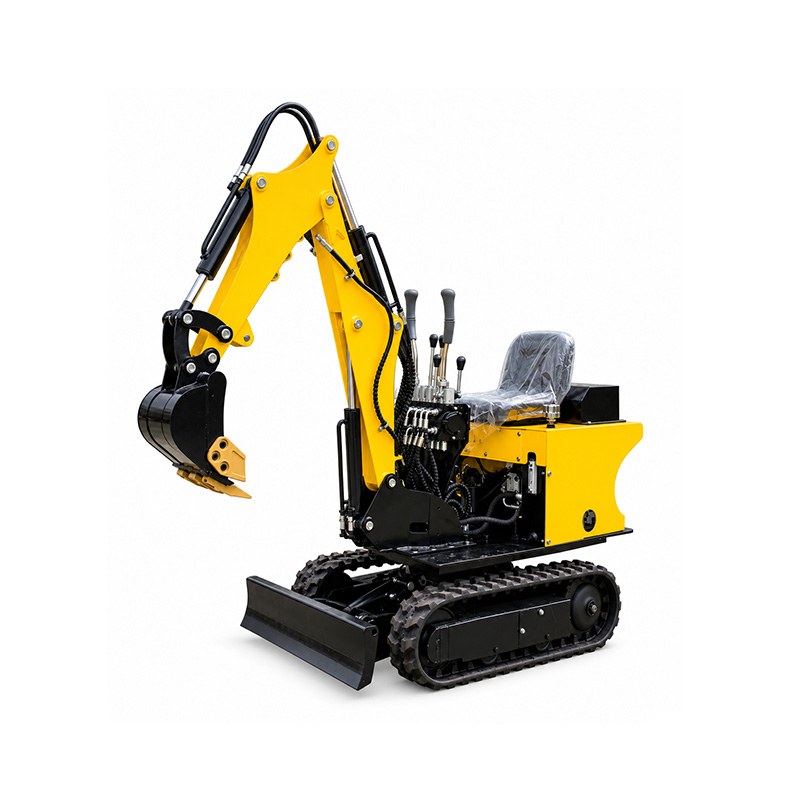
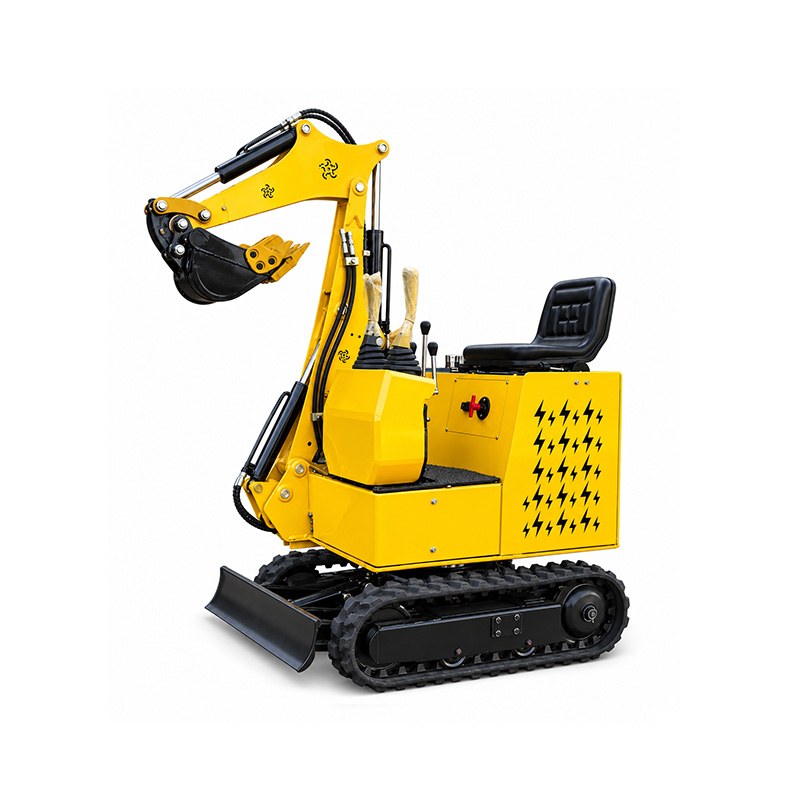
| 800kg Mini Excavator LT-09 | Parameter: Specification Product Modle: LT-09 Bucket Capacity: 0.02m³ Chassis Width: 730mm Track Length: 1100mm Gradeability: 40° | Confirm suitability, included options and current specification with LUTOS. |
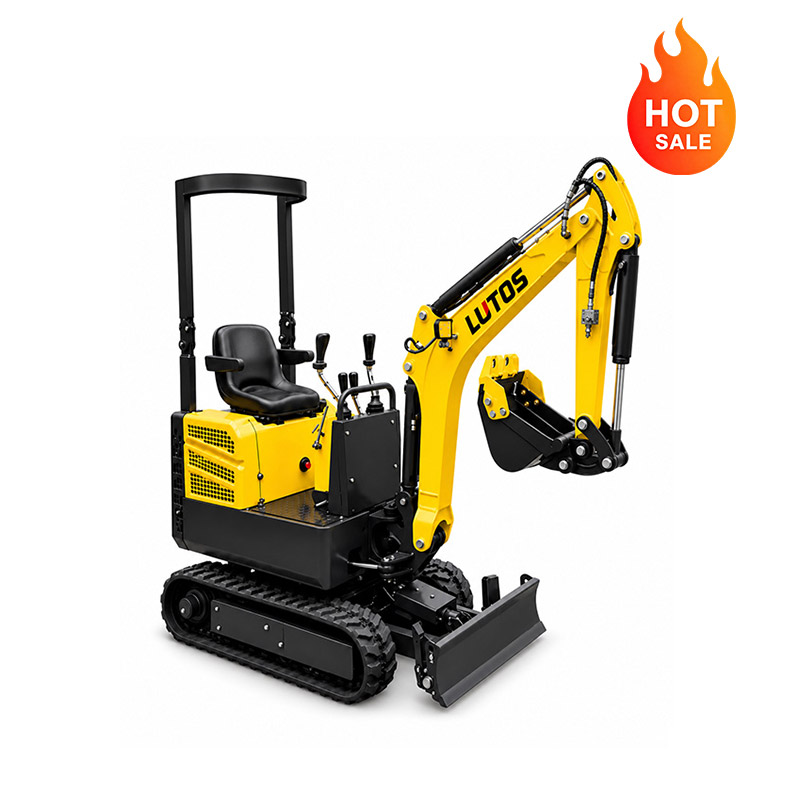
| 1 Ton Mini Excavator For Sale LT-10 | Model: LT-10 Bucket Capacity: 0.025m³ Operating Weight: 1050kg Engine Model: Koop,B&S,Kubota Fuel Tank Capacity: 10L Travel Speed: 1.5km/h | Confirm suitability, included options and current specification with LUTOS. |
Use the full mini excavator range to broaden the shortlist if the reference models do not match the brief. Where a title, parameter table or quotation appears inconsistent, ask LUTOS to reconcile the figures in writing. Do not quietly substitute a value from another model.
Review the complete working sequence
Excavator productivity depends on the work around the machine. Material needs somewhere to go, replacement material must reach the work face, and the operator needs a suitable position for the next cycle. Draw the work area with the spoil pile, receiving vehicle and other trades shown. A short drawing often reveals a repeated movement that a capacity comparison misses.
Separate digging time from repositioning, loading and waiting. If the excavator waits for a carrier after every few cycles, a larger machine may simply produce the same queue more quickly. If the machine repeatedly moves because the required reach was misunderstood, a different configuration or work sequence deserves examination. Record the reason for each interruption before calling it a machine-performance problem.
For additional background on site traffic planning, consult HSE guidance on construction site traffic management. Use this reference alongside the selected machine’s documentation and the requirements applicable to the project location.
Agree a practical trial and record its limits
Proposed acceptance check: Use a representative ditch section and a prepared post-hole location to compare setup effort.
For mini excavator for farm use, agree the test scope before the demonstration. Identify the machine or package, the configuration and the conditions used. Ask the responsible team to approve the method and keep the work within the manufacturer’s documented limits. A demonstration should gather evidence for a defined requirement; it should not be used to explore an unassessed operating limit.
Common buying error: Assuming every agricultural task requires the largest excavator the farm can transport. Make this an explicit review question before accepting the quotation. A supplier response should address the actual constraint rather than repeat a general product advantage.
Compare cost with consistent workload assumptions
For an excavator, distinguish ownership costs from costs that rise with use. Acquisition, financing where applicable and storage belong in the ownership discussion. Fuel, wear, scheduled service and job-related transport need their own assumptions. An attachment used occasionally can have a low hourly utilisation even when the excavator itself is busy, so price it separately.
Undercarriage condition, ground abrasiveness and attachment duty can influence maintenance expenditure. Ask the supplier for the approved service information and prices for representative consumables rather than inventing a wear allowance from engine output. Record whether a quotation includes the bucket, coupler and powered attachment, and avoid comparing packages with different contents.
Prepare maintenance, parts and handover support
Plan how the excavator will be inspected, serviced and returned to work after a fault. The supplied manual should define the checks, intervals and approved procedures for the exact configuration. Routine observation by an operator is different from work on pressurised hydraulics, structural components or a powered attachment. Assign those responsibilities before delivery.
Ask for an illustrated parts catalogue or another reliable identification method tied to the machine's serial information. Useful purchasing examples include filters, wear items, track components and the selected attachment's consumables. A component that looks similar in a photograph is not enough to establish interchangeability.
Prepare the quotation request
A useful enquiry about mini excavator for farm use gives LUTOS enough information to identify a suitable configuration and any open questions. Include a site sketch, required excavation dimensions, representative ground information, access measurements, intended attachments, transport arrangements and destination. Ask for the exact configured weight, working diagram, attachment compatibility statement and service documentation.
Attach the application notes for field access after rain, seasonal downtime and attachment changes. Ask the supplier to distinguish confirmed inclusions from optional items and exclusions. Keep price, delivery basis, documentation and acceptance responsibilities in the same offer so that the final order describes the complete package.
Send the brief through the form below or the LUTOS contact page. Include photographs or drawings when they clarify the task, and request written confirmation of the proposed configuration before deciding. The next step is a specific equipment discussion grounded in your job requirements.
Further reading: HSE excavator overview. This external guidance provides background context; the selected machine’s instructions and the responsible site team define the applicable working method.
Frequently Asked Questions
What information should I provide about mini excavator for farm use?
Include a site sketch, required excavation dimensions, representative ground information, access measurements, intended attachments, transport arrangements and destination. Ask for the exact configured weight, working diagram, attachment compatibility statement and service documentation. For this enquiry, emphasise field access after rain, seasonal downtime, attachment changes.
Which constraint should I check first?
Start with field access after rain and establish the actual requirement before choosing a configuration. Then review seasonal downtime and attachment changes. If an option cannot meet a required condition, resolve that mismatch before comparing price.
How should I verify a supplier recommendation?
Use a representative ditch section and a prepared post-hole location to compare setup effort. Identify the exact configuration and record the conditions. Keep unsupported claims separate from demonstrated results, and ask the supplier to resolve any difference between the product page and the quotation.
What is a common mistake in this buying decision?
Assuming every agricultural task requires the largest excavator the farm can transport. Use the comparison brief to keep the intended task visible. A strong proposal explains the selected configuration, its limitations and the evidence supporting it.
How can LUTOS help with this enquiry?
Send the application, destination, intended quantity and the requirements described in this mini excavator for farm use guide. LUTOS can review the enquiry and discuss an available configuration. Confirm specifications, included services, commercial terms and delivery details in the written offer.