Table of Contents
Construction sites change as deliveries arrive and work areas close. Forklift selection should reflect the heaviest approved load, the required placement height and the route available during each stage. Organise delivery points so that the forklift does not have to improvise travel over recently disturbed ground.
This guide to rough terrain forklift for construction site focuses on plan pallet handling on construction sites. It turns the enquiry into a set of requirements a buyer, site team and supplier can compare before an order is placed.
Rough terrain forklift for construction site: define the requirements
Create a delivery load register for the project, including dimensions, weight information and intended placement. Map the handling route for different construction stages because temporary storage and new structures can change access. Send these details to the supplier and ask for a configuration-specific recommendation. The site team should identify where deliveries can be received without creating conflicts with other work. Include the busiest likely delivery period in the review. A machine that works well during a quiet demonstration may still create delays if it must repeatedly wait for a shared route or cannot access the planned storage position.
For this rough terrain forklift for construction site assessment, keep three constraints visible: changing access routes, delivery package dimensions and placement height. Record what is known, what needs measurement and who will confirm each point. Resolve a physical or application mismatch before comparing optional features.
Build a measurable comparison brief
| Decision area | Application-specific priority | Evidence to request |
|---|---|---|
| Primary requirement | changing access routes | Record the actual condition and supporting measurement or document. |
| Working interface | delivery package dimensions | Check the complete task, including adjacent people, equipment and materials. |
| Delivery or support condition | placement height | Confirm the requirement against the exact quoted configuration. |
Use the brief as a shared reference for rough terrain forklift for construction site. A requirement should describe the result or constraint, while a proposed solution should explain how it meets that requirement. Keeping these separate lets suppliers recommend a different configuration without silently changing the job. Mark a requirement as unresolved when the evidence is missing; a blank specification field is not proof that the requirement does not matter.
Read the configured specification correctly
Start with the load rather than a model's nominal tonnage. Record weight, dimensions, centre-of-gravity information and the height at which the load must be placed. Then ask for the rating or capacity documentation for the exact truck, mast and attachment. A general product title cannot replace this configuration-specific information.
Overall truck dimensions and closed mast height matter for doors, transport and storage. The load itself also has a movement envelope, especially when handling long or wide packages. Ask the supplier to review the route drawing with the actual load dimensions instead of checking chassis width alone.
Compare suitable options on the same basis
| Option | Where it may fit | What must be confirmed |
|---|---|---|
| Outdoor mast forklift | Pallet handling on suitable assessed yard routes | Verify capacity for load centre, height and attachment |
| Warehouse-oriented truck | Handling in an environment suited to its specification | Confirm external route and environmental suitability |
| Telescopic handler | Placement tasks requiring a different reach envelope | Compare the applicable configuration-specific load chart |
The options above are a comparison framework for rough terrain forklift for construction site, not a ranking of machines without a site assessment. Reject options that fail a required constraint before comparing price or convenience. For the remaining choices, use the same material, route, operating scope and completion standard. Otherwise a favourable result may come from an easier test rather than a more suitable package.
Use LUTOS product and service evidence
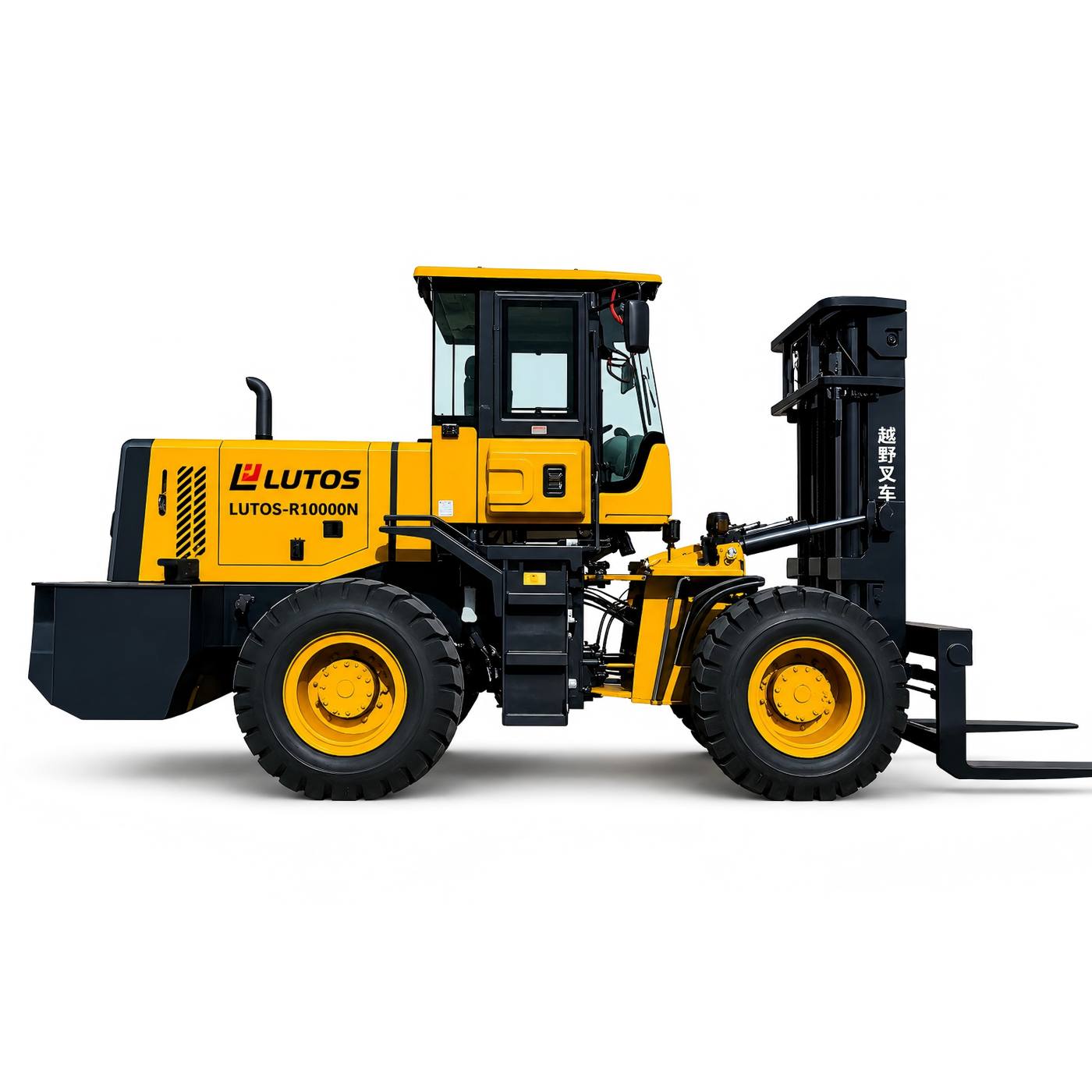
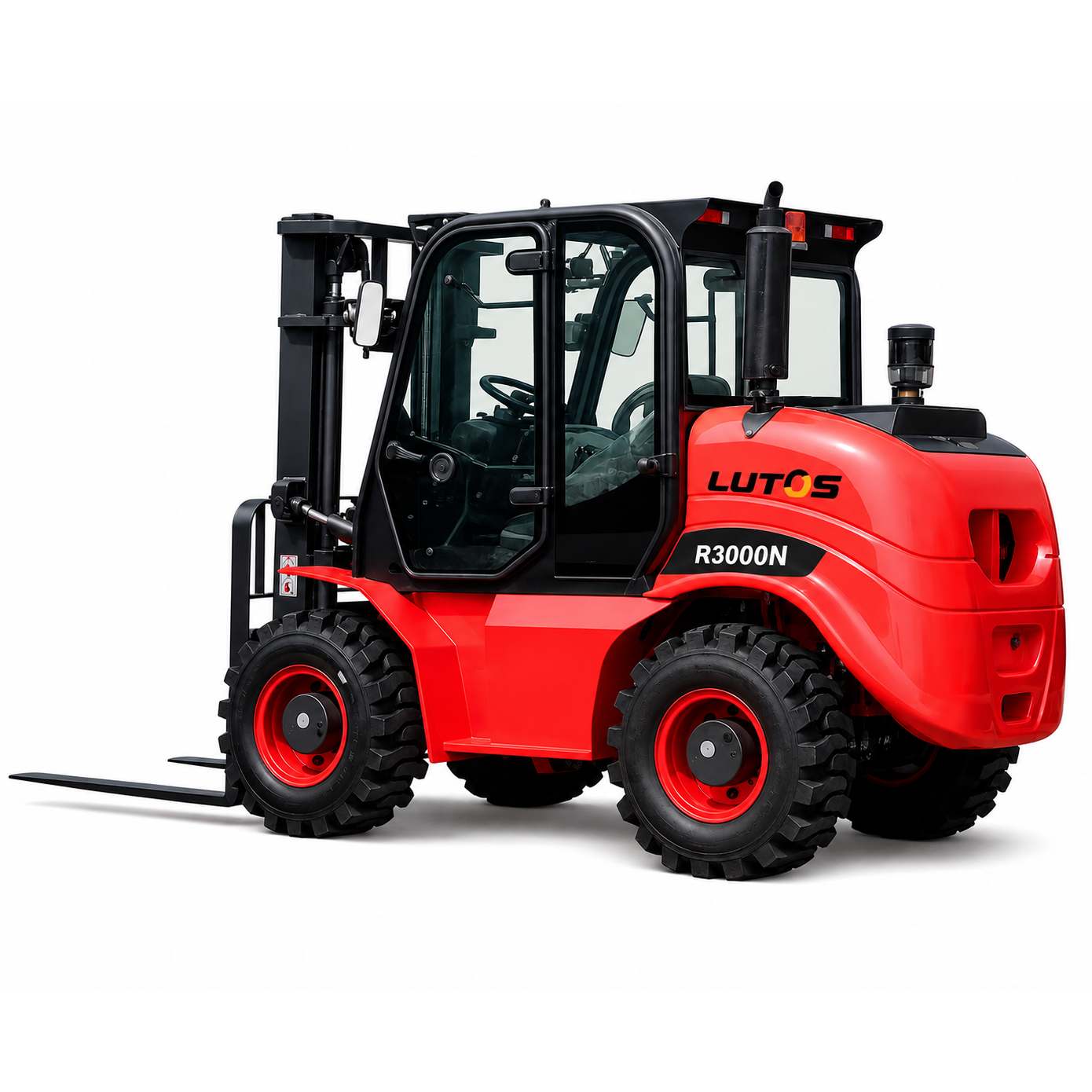
The following LUTOS product pages provide starting points within the relevant category. These are reference models for discussion, not confirmed recommendations for every requirement in this rough terrain forklift for construction site guide. The entries below reproduce selected published parameter labels and values. Obtain a current configuration sheet before ordering; catalogue labels and model names should not be used to fill missing specifications.
| Published LUTOS product | Selected published parameters | Buying action |
|---|---|---|
| 3 Ton Rough Terrain Forklift LT-R3000N | Rated lifting weight: 3000kg Rated lifting height: 3000-6000mm(optional) load center: 600mm minimum turning radius: 3400mm Maximum climbing angle: ≤35° Ground clearance: 350mm | Confirm suitability, included options and current specification with LUTOS. |
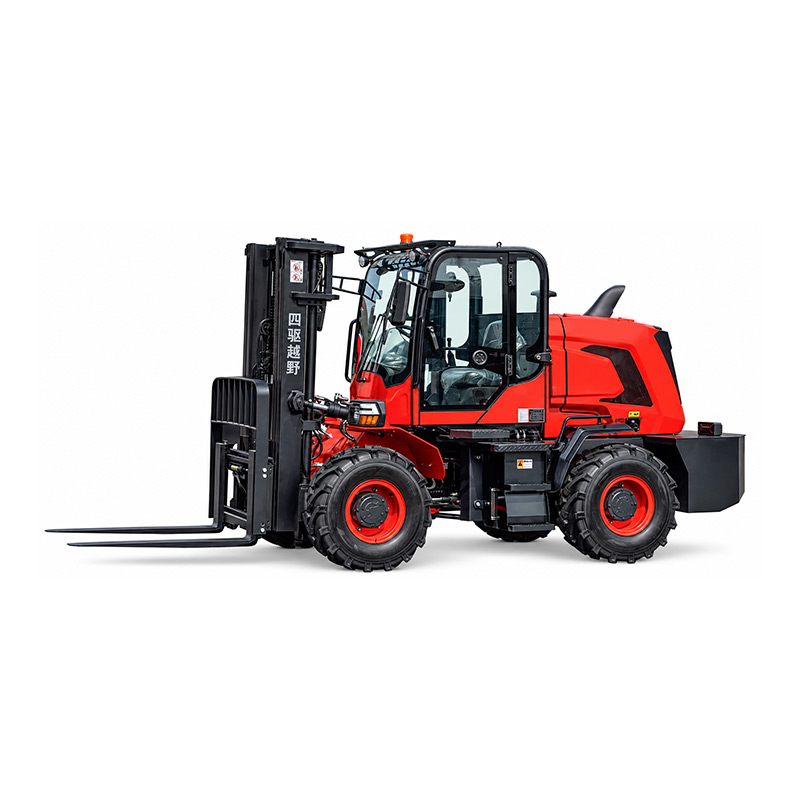
| 3 Ton All Terrain Forklift LT-R3000S | Rated lifting weight: 3000kg Rated lifting height: 3000-6000mm(optional) load center: 600mm minimum turning radius: 3200mm Maximum climbing angle: ≤38° Ground clearance: 350mm | Confirm suitability, included options and current specification with LUTOS. |
Use the full rough terrain forklift range to broaden the shortlist if the reference models do not match the brief. Where a title, parameter table or quotation appears inconsistent, ask LUTOS to reconcile the figures in writing. Do not quietly substitute a value from another model.
Review the complete working sequence
A forklift purchase should improve the receiving-to-storage or storage-to-dispatch process. Draw the pickup point, travel route and placement position for the common loads. Note where the truck shares space with people, where it must reverse and where delivery vehicles wait. These interactions can determine throughput more strongly than a small difference in travel speed.
Separate ordinary loads from exceptional ones. Most daily movements may involve compact pallets, while an occasional long pack or high placement requires a different assessment. If one exceptional task drives the entire truck specification, compare the cost of a separate approved handling solution against the compromises imposed on everyday work.
For additional background on forklift workplace planning, consult OSHA resources on powered industrial trucks. Use this reference alongside the selected machine’s documentation and the requirements applicable to the project location.
Agree a practical trial and record its limits
Proposed acceptance check: Check a typical delivery sequence against the site traffic plan and the actual pallet dimensions.
For rough terrain forklift for construction site, agree the test scope before the demonstration. Identify the machine or package, the configuration and the conditions used. Ask the responsible team to approve the method and keep the work within the manufacturer’s documented limits. A demonstration should gather evidence for a defined requirement; it should not be used to explore an unassessed operating limit.
Common buying error: Selecting capacity from pallet weight alone without load-centre and lift-height information. Make this an explicit review question before accepting the quotation. A supplier response should address the actual constraint rather than repeat a general product advantage.
Compare cost with consistent workload assumptions
Forklift cost is connected to the actual handling programme. Ownership, fuel, scheduled service, tires and unplanned downtime need separate assumptions. Count productive handling time rather than every hour the yard is open. A truck that is available all day may operate intermittently, and that distinction changes the economics of purchase, rental or an alternative handling arrangement.
Compare the quoted configuration carefully. Mast choice, forks, attachments, cab options and tires can change the package. A lower headline price may describe a truck that cannot perform the required placement task. Ask for a complete equipment schedule before comparing totals, and identify which options are necessary for the application rather than merely desirable.
Prepare maintenance, parts and handover support
The operator's inspection record, the manufacturer's service schedule and specialist examinations serve different purposes. Keep them distinct and ensure the responsible person can prevent use when a relevant defect remains unresolved. A signed checklist should show an actual inspection outcome rather than simply confirm that the truck was present.
Before purchase, ask how the mast, hydraulic system, tires, brakes and specified attachments will be supported. Obtain the correct documentation for the supplied configuration. Do not assume that instructions for a warehouse truck or a different mast arrangement are interchangeable with the proposed outdoor machine.
Prepare the quotation request
A useful enquiry about rough terrain forklift for construction site gives LUTOS enough information to identify a suitable configuration and any open questions. Include each load's weight and dimensions, required placement height, route drawing, surface condition, doorway clearances, attachments and destination. Request the applicable capacity information, configured dimensions, tire specification and service documents.
Attach the application notes for changing access routes, delivery package dimensions and placement height. Ask the supplier to distinguish confirmed inclusions from optional items and exclusions. Keep price, delivery basis, documentation and acceptance responsibilities in the same offer so that the final order describes the complete package.
Send the brief through the form below or the LUTOS contact page. Include photographs or drawings when they clarify the task, and request written confirmation of the proposed configuration before deciding. The next step is a specific equipment discussion grounded in your job requirements.
Further reading: OSHA forklift nameplate guidance. This external guidance provides background context; the selected machine’s instructions and the responsible site team define the applicable working method.
Frequently Asked Questions
What information should I provide about rough terrain forklift for construction site?
Include each load's weight and dimensions, required placement height, route drawing, surface condition, doorway clearances, attachments and destination. Request the applicable capacity information, configured dimensions, tire specification and service documents. For this enquiry, emphasise changing access routes, delivery package dimensions, placement height.
Which constraint should I check first?
Start with changing access routes and establish the actual requirement before choosing a configuration. Then review delivery package dimensions and placement height. If an option cannot meet a required condition, resolve that mismatch before comparing price.
How should I verify a supplier recommendation?
Check a typical delivery sequence against the site traffic plan and the actual pallet dimensions. Identify the exact configuration and record the conditions. Keep unsupported claims separate from demonstrated results, and ask the supplier to resolve any difference between the product page and the quotation.
What is a common mistake in this buying decision?
Selecting capacity from pallet weight alone without load-centre and lift-height information. Use the comparison brief to keep the intended task visible. A strong proposal explains the selected configuration, its limitations and the evidence supporting it.
How can LUTOS help with this enquiry?
Send the application, destination, intended quantity and the requirements described in this rough terrain forklift for construction site guide. LUTOS can review the enquiry and discuss an available configuration. Confirm specifications, included services, commercial terms and delivery details in the written offer.