Table of Contents
Agricultural loader work can range from bulk material movement to yard cleanup. List each material and handling method, then separate frequent work from occasional specialist tasks. The right loader-and-attachment package needs to fit buildings, storage bays and the farm's service resources as well as the load requirement.
This guide to wheel loader for agriculture focuses on match a loader to agricultural work. It turns the enquiry into a set of requirements a buyer, site team and supplier can compare before an order is placed.
Wheel loader for agriculture: define the requirements
Separate agricultural duties by material and required attachment. Bulk soil movement, yard cleanup and other farm tasks may share a carrier but need different approved tools and cleaning arrangements. Check the machine against the smallest building opening and the most demanding regular receiving point. Ask the supplier to explain the proposed configuration for those specific tasks, including relevant attachment information. Keep occasional work outside the regular duty visible in the comparison. A farm loader becomes versatile through a manageable set of supported applications, not through an assumption that every task shown in a general machinery brochure is included.
For this wheel loader for agriculture assessment, keep three constraints visible: building clearances, material mix and attachment availability. Record what is known, what needs measurement and who will confirm each point. Resolve a physical or application mismatch before comparing optional features.
Build a measurable comparison brief
| Decision area | Application-specific priority | Evidence to request |
|---|---|---|
| Primary requirement | building clearances | Record the actual condition and supporting measurement or document. |
| Working interface | material mix | Check the complete task, including adjacent people, equipment and materials. |
| Delivery or support condition | attachment availability | Confirm the requirement against the exact quoted configuration. |
Use the brief as a shared reference for wheel loader for agriculture. A requirement should describe the result or constraint, while a proposed solution should explain how it meets that requirement. Keeping these separate lets suppliers recommend a different configuration without silently changing the job. Mark a requirement as unresolved when the evidence is missing; a blank specification field is not proof that the requirement does not matter.
Read the configured specification correctly
Loader specifications need to be read as a configured package. Bucket volume, bucket weight, stated load capacity and machine dimensions describe different parts of the decision. A bucket suitable for light material is not automatically suitable for the same volume of dense aggregate. Ask the supplier to confirm the approved match between material, bucket and loader.
Check the unloading geometry against the actual receiving point. A headline height figure may describe a different reference point from the clearance required at a truck or hopper. Request a dimensional drawing that identifies the measurement and the attachment used. Include the space needed to approach, discharge and leave the receiving area.
Compare suitable options on the same basis
| Option | Where it may fit | What must be confirmed |
|---|---|---|
| Loader with a general-purpose bucket | Bulk handling within the approved configuration | Match material density, bucket weight and load limits |
| Loader with a specialised attachment | A defined material or handling task | Verify interface, hydraulics and configuration-specific information |
| Another compact handling machine | Tasks with a different access or loading pattern | Compare the complete cycle and supporting equipment |
The options above are a comparison framework for wheel loader for agriculture, not a ranking of machines without a site assessment. Reject options that fail a required constraint before comparing price or convenience. For the remaining choices, use the same material, route, operating scope and completion standard. Otherwise a favourable result may come from an easier test rather than a more suitable package.
Use LUTOS product and service evidence
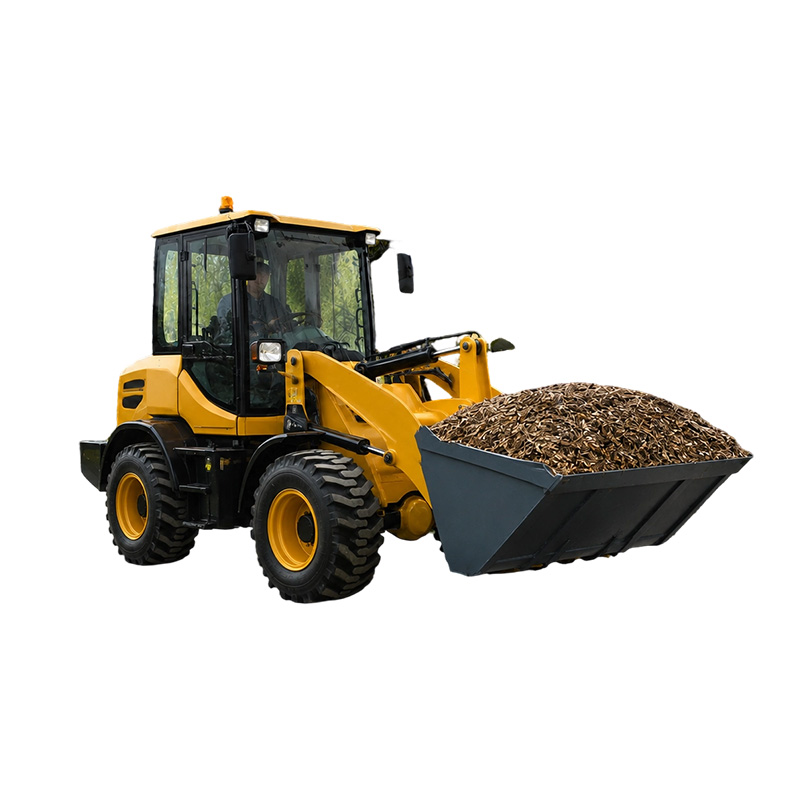
The following LUTOS product pages provide starting points within the relevant category. These are reference models for discussion, not confirmed recommendations for every requirement in this wheel loader for agriculture guide. The entries below reproduce selected published parameter labels and values. Obtain a current configuration sheet before ordering; catalogue labels and model names should not be used to fill missing specifications.
| Published LUTOS product | Selected published parameters | Buying action |
|---|---|---|
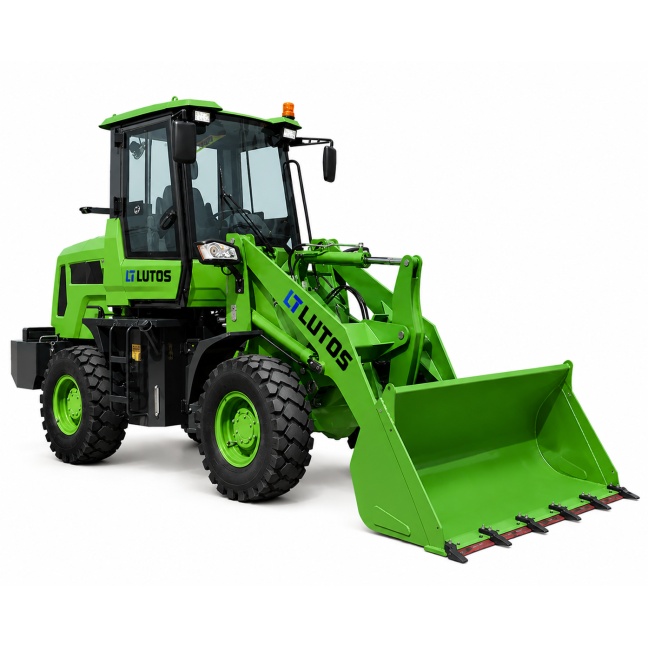
| 1 Ton Wheel Loader LT-E1000 | Overall Length (mm): 4,800 Overall Height (mm): 2250 Tire Outer Width (mm): 1450 Outer Width of Bucket (mm): 1550 Unloading Height (mm): 2500 Unloading Distance (mm): 700 | Confirm suitability, included options and current specification with LUTOS. |
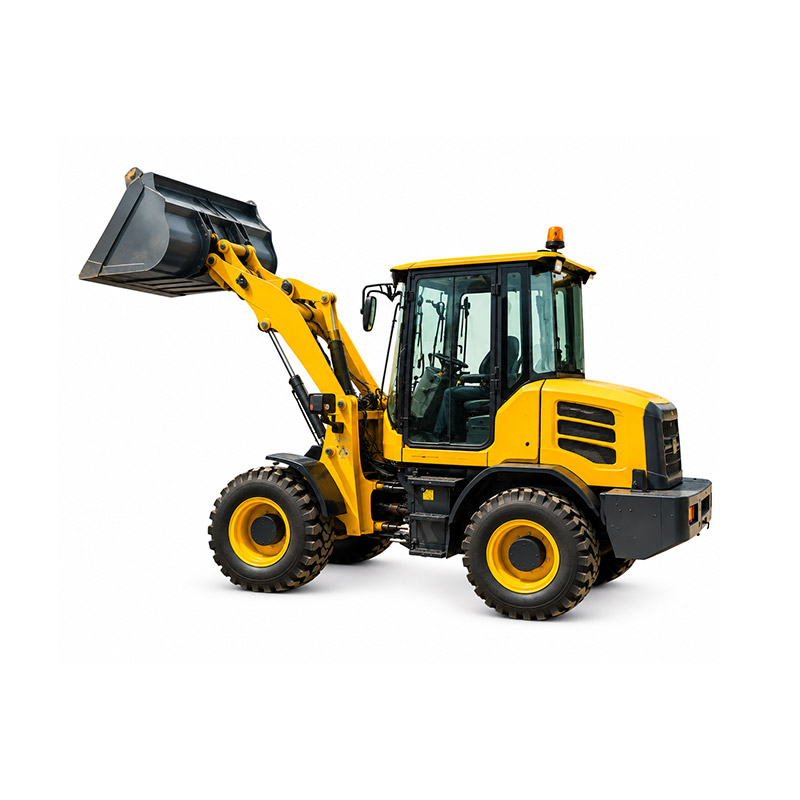
| Mini Wheel Loader For Sale LT-E1200 | Overall Length (mm): 5000 Overall Height (mm): 2750 Tire Outer Width (mm): 1800 Outer Width of Bucket (mm): 1850 Unloading Height (mm): 2800 Unloading Distance (mm): 750 | Confirm suitability, included options and current specification with LUTOS. |
Use the full wheel loader range to broaden the shortlist if the reference models do not match the brief. Where a title, parameter table or quotation appears inconsistent, ask LUTOS to reconcile the figures in writing. Do not quietly substitute a value from another model.
Review the complete working sequence
A loader cycle consists of approaching the material, filling, travelling, discharging and returning. The cycle also contains waiting when a receiving vehicle, stockpile or route is unavailable. Record those stages before assuming that a bigger bucket will improve daily output. A layout change may address the limiting stage more effectively than a larger machine.
Choose a representative stockpile and receiving arrangement for a comparison. The material should resemble the expected job in density and condition. Do not compare a short demonstration on loose dry material with a contract involving compacted or wet material and then treat the result as equivalent. The completion standard also matters when cleanup or careful placement forms part of the work.
For additional background on workplace vehicle planning, consult HSE introduction to workplace transport safety. Use this reference alongside the selected machine’s documentation and the requirements applicable to the project location.
Agree a practical trial and record its limits
Proposed acceptance check: Compare two frequent tasks using their actual material and receiving points.
For wheel loader for agriculture, agree the test scope before the demonstration. Identify the machine or package, the configuration and the conditions used. Ask the responsible team to approve the method and keep the work within the manufacturer’s documented limits. A demonstration should gather evidence for a defined requirement; it should not be used to explore an unassessed operating limit.
Common buying error: Assuming one general-purpose bucket is the best choice for every farm material. Make this an explicit review question before accepting the quotation. A supplier response should address the actual constraint rather than repeat a general product advantage.
Compare cost with consistent workload assumptions
Build the cost comparison around the task, material and expected productive hours. Separate ownership expenditure from fuel, tires, bucket wear, service, transport and attachment costs. If the loader performs several jobs, allocate time to those jobs instead of assuming every attachment receives the full annual machine utilisation.
The material and route influence what a capacity increase is worth. A larger bucket can be useful for an appropriate light material yet unsuitable for the same volume of a denser material. A larger machine may also need different transport or more working space. Include these consequences in the comparison rather than treating bucket volume as a direct measure of economic return.
Prepare maintenance, parts and handover support
Check whether the service team can access routine inspection points and obtain the correct documentation for the supplied engine, axles, hydraulics and attachments. The machine manual defines intervals and procedures. A buyer should not replace those instructions with a generic schedule based only on engine hours or another loader model.
Parts support needs accurate identification. Request the process for obtaining filters, tire information, bucket wear items and components specific to the chosen attachment. If a machine is customised, ask how the supplier records that configuration for future parts orders. Otherwise a later quotation may refer to a standard component that was not fitted.
Prepare the quotation request
A useful enquiry about wheel loader for agriculture gives LUTOS enough information to identify a suitable configuration and any open questions. Include material types and density information, loading and receiving points, required attachments, site layout, access dimensions, transport requirements and destination. Request a configured specification, attachment match and clearly defined unloading dimensions.
Attach the application notes for building clearances, material mix and attachment availability. Ask the supplier to distinguish confirmed inclusions from optional items and exclusions. Keep price, delivery basis, documentation and acceptance responsibilities in the same offer so that the final order describes the complete package.
Send the brief through the form below or the LUTOS contact page. Include photographs or drawings when they clarify the task, and request written confirmation of the proposed configuration before deciding. The next step is a specific equipment discussion grounded in your job requirements.
Further reading: HSE construction safety topics. This external guidance provides background context; the selected machine’s instructions and the responsible site team define the applicable working method.
Frequently Asked Questions
What information should I provide about wheel loader for agriculture?
Include material types and density information, loading and receiving points, required attachments, site layout, access dimensions, transport requirements and destination. Request a configured specification, attachment match and clearly defined unloading dimensions. For this enquiry, emphasise building clearances, material mix, attachment availability.
Which constraint should I check first?
Start with building clearances and establish the actual requirement before choosing a configuration. Then review material mix and attachment availability. If an option cannot meet a required condition, resolve that mismatch before comparing price.
How should I verify a supplier recommendation?
Compare two frequent tasks using their actual material and receiving points. Identify the exact configuration and record the conditions. Keep unsupported claims separate from demonstrated results, and ask the supplier to resolve any difference between the product page and the quotation.
What is a common mistake in this buying decision?
Assuming one general-purpose bucket is the best choice for every farm material. Use the comparison brief to keep the intended task visible. A strong proposal explains the selected configuration, its limitations and the evidence supporting it.
How can LUTOS help with this enquiry?
Send the application, destination, intended quantity and the requirements described in this wheel loader for agriculture guide. LUTOS can review the enquiry and discuss an available configuration. Confirm specifications, included services, commercial terms and delivery details in the written offer.